
Home to Central America’s deepest lake, the Tzutujil Mayan peoples, and now one of the country’s most popular tourist destinations, Lake Atitlán is not to be missed when visiting Guatemala. Planning your first trip to Lake Atitlán, or anywhere for that matter, can be daunting, so I’ve broken down everything you need to know. This blog post will answer questions like “Where is Lake Atitlán?”, “When is the best time to visit Lake Atitlán?”, “What activities are there to do in Lake Atitlán?” and more.
This past spring I spent a week in Lake Atitlán. Of the month in Guatemala, Lake Atitlán was one of my favourite spots. Thanks to a warm and welcoming homestay family, the laidback lake vibes, and countless positive interactions I would return in a second. My home base for the week, San Pedro La Laguna, has a special place in my memory. I met so many wonderful people, from Alfonzo, the tattoo artist driver who brought us into town, to my generous Spanish teacher Marta and incredible host family (fellow basketball lovers!), to those I met while on a leisurely photo walk, to Domingo our boat driver, and talented artists Josué and Alma. With each person I met, my smile grew.
✅ TLDR: Short on time? Here are my top finds for your Lake Atitlán trip!
🛎️ Find awesome Lake Atitlán accommodation
🚙 Rent a car
🎟️ Book the best tours
🥦 Secure travel insurance
🛍️ Shop my favourite travel products
🌟 Follow Travel with TMc on IG
Disclaimer: This post includes affiliate links. At no extra cost to you, these links provide a small commission to allow this website to continue building helpful and interesting content. Thank you for supporting Travel with TMc, whether through sharing the content you enjoy or using the affiliate links. It is much appreciated!
History of Lake Atitlán
The Nahuatl word “Atitlán” translates to “between (“titlan) the waters (atl).” This ancient language was spoken by the Aztecs and is one of the most commonly spoken Indigenous languages in the Americas. Today, English uses several Nahuatl words: avocado, chili, tomato, coyote, and my favourite, chocolate.
The caldera that is Lake Atitlán was created around 100,000 years ago. Los Chocoyos, the super volcano, erupted creating a lake that is 1,562 m / 5,125 ft above sea level. As you can imagine, it’s absolutely stunning. Today Lake Atitlán is also the deepest lake in Central America at 340 metres or 1,116 feet. Three more majestic volcanoes surround Lake Atitlán: San Pedro, Atitlán, and Tolimán. Volcan San Pedro is considered a stratovolcano, is the smallest of the three and is separated from the other two by Santiago Bay.
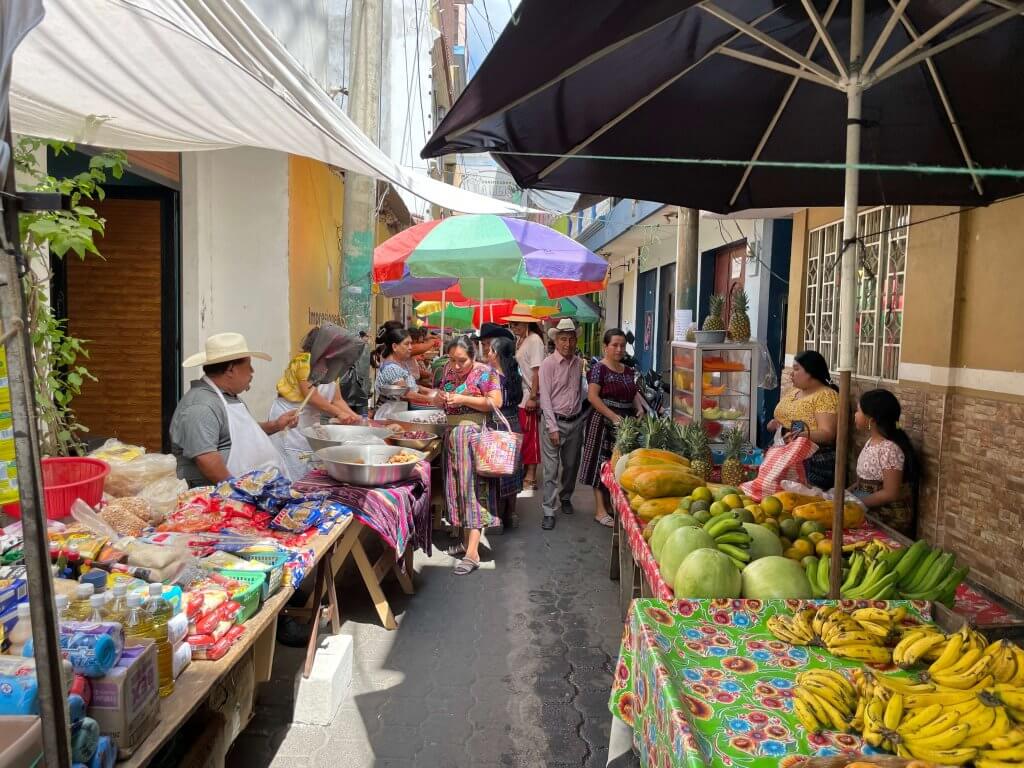
Within the Tz’utujil communities surrounding Lake Atitlán, farming traditions remain strong. Several crops like coffee, avocado, strawberries, tomatoes, squash, cucumber, onions, beans, garlic, and corn are grown and sold locally. Make sure to grocery shop for items like these and warm tortillas when you visit.
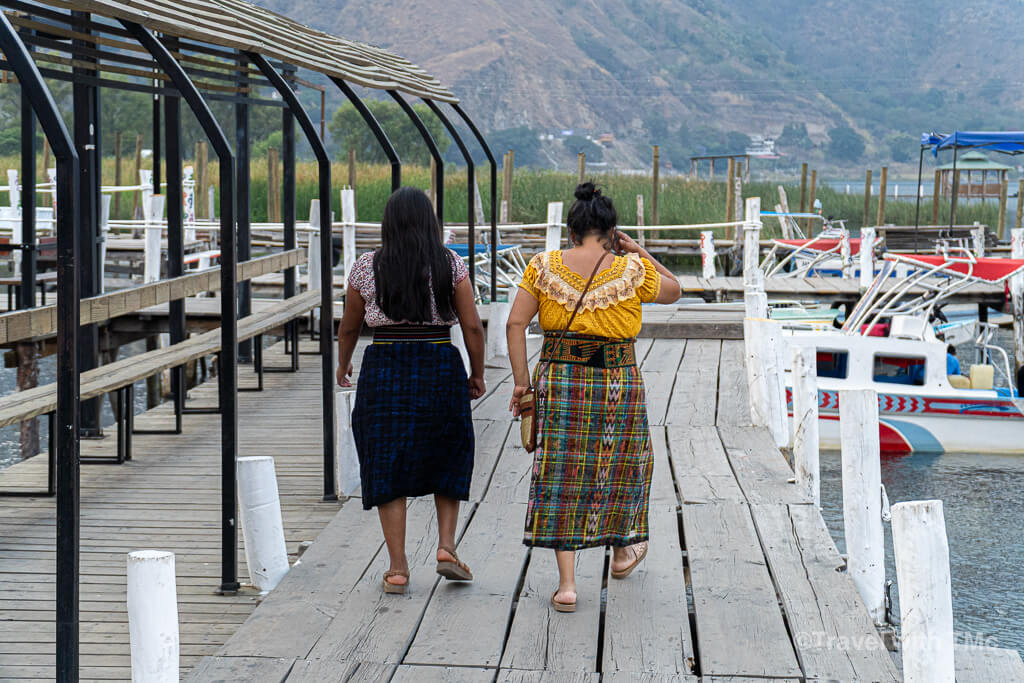
Speaking of Tz’utujil traditions, they are masters of natural dyes and textile weaving as is evident in their gorgeous blankets and clothes. Look closely and you’ll notice different patterns and colours from village to village. They represent one’s hometown, social standing, and spirituality, as well as individual preferences.

Where is Lake Atitlán Located?
Lake Atitlán lies three hours southeast of Quetzaltenango and 4 hours west of Guatemala City.
Where is Guatemala Located?
Guatemala is sandwiched between the Pacific Ocean and Caribbean Sea in Central America. Mexico, Belize, Honduras, and El Salvador share borders with Guatemala.
When is the Best Time of Year to Visit Lake Atitlán?
Depending on your budget, your tolerance for tourist crowds, preferred weather, and when you can get time off work, the best time of year to visit Lake Atitlán will vary.
Weather
Guatemala is known as “The Land of Eternal Spring”, which is beyond amazing for those of us who melt in weather above 27 degrees Celsius. Lake Atitlán is located in Guatemala’s highlands, more than 1,500 metres above sea level, thus the weather is generally mild. The microclimates of each town around the lake differ, with some more humid and others drier.
Dry season lasts from November through April and is ideal for photography, outdoor activities, and sightseeing. Of course, this also means the prices are higher and the tourists are plentiful, especially around Easter. Rainy season, from May to October, is arguably not as bad in Lake Atitlán as it is on the coast.
Festivals
Guatemala has strong Catholic traditions, so make sure to book accommodation in Lake Atitlán far in advance if you’re visiting during or around the time of Semana Santa, Easter, or Christmas.
Is Lake Atitlán Safe?
Throughout my stay on Lake Atitlán I felt completely safe. I heeded local suggestions about which pueblos to avoid, I behaved appropriately in different settings, and I practiced a lot of Spanish which helped me connect with some residents. Smiling goes a long way too.
The emergency numbers in Guatemala are: 111 or 120 for police and 122 or 123 for fire.
Languages Spoken in Lake Atitlán
While Spanish is the official (government) language of Guatemala and is spoken by roughly 90% of the population, more than 20 Indigenous languages are also used daily. With Mayan, Xinca, and Garífuna linguistic roots, there is an incredible tapestry of linguistic diversity throughout the Guatemala. This is especially true in Lake Atitlán which is home to the Tz’utujil Mayan people.
Though I was in San Pedro La Laguna to practice my Spanish language skills, my host family’s first language was not Spanish. In fact, the abuela (grandmother) didn’t speak Spanish at all. This is not uncommon in Lake Atitlán and was really interesting to learn more about in-person. Fortunately or unfortunately, Indigenous communities in Guatemala often need to learn Spanish in order to increase job opportunities.
Getting to Lake Atitlán
There are several ways to get from other parts of Guatemala to Lake Atitlán:
- Public bus (incorrectly often labelled as “chicken buses” – but please don’t do that!)
- Shared van from Antigua to Panajachel
- Shuttle from Guatemala City to Lake Atitlán
- Rent a car
Transportation in Lake Atitlán
For the most part, a lancha (small boat) is required to travel between villages in Lake Atitlán. A few towns are connected by road, though not all of them.
Tuk Tuk
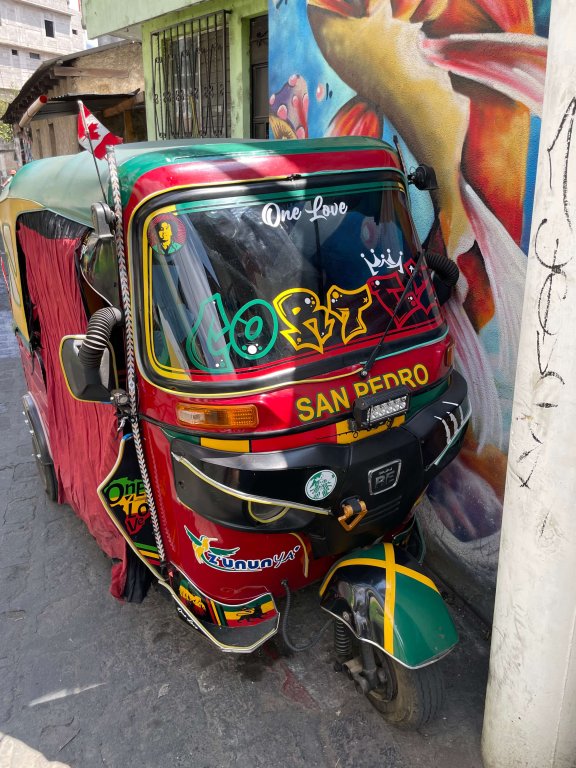
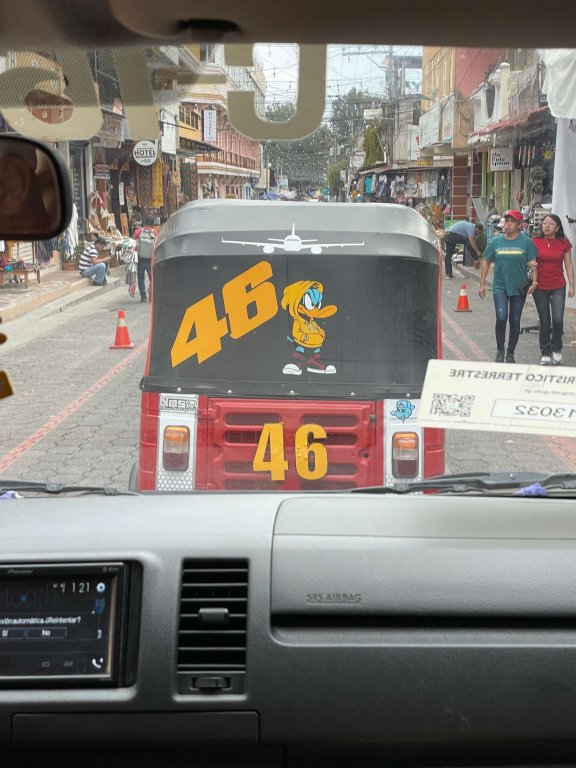
Tuk Tuks, known by locals as “Toritos”, are everywhere in Lake Atitlán. With narrower roads and compressed public spaces, they can nimbly maneuvere pretty much anywhere. Oddly, I didn’t take a single tuk tuk in Guatemala, however I did make it my mission to photograph as many of them as possible. I love how they’re each decorated with such individual personalities! Can you spot my favourite detail in the one below?
When hopping into a Guatemalan torito, make sure to negotiate the rate. As expected, the foreigner rate will likely be higher than what locals pay. Knowing some Spanish and the average rates for set distances will come in handy. For example, at the time of writing, a tuk tuk from San Pedro to San Juan is approximately Q10-Q15. Make sure to always have cash on hand for tuk tuks.
Lancha (Small Boat)
Lanchas are small water taxi boats that carry roughly 15-20 people along with the driver. This was my favourite way to travel in Guatemala! In Lake Atitlán there are both public and private lanchas, with the public option costing less. At the time of writing, the cost to travel between towns is anywhere from Q10 – Q30. Pay for lanchas with cash.
Head to any town’s main dock and you’re likely to find lanchas waiting for passengers. As a rule of thumb, they offer rides during daylight hours (6 am or 7 am until 6 pm or 7 pm) and depart roughly every 15-20 minutes – with a big asterisk. Technically they leave the dock when the boat is full, so set your expectations accordingly and make sure your schedule is flexible.
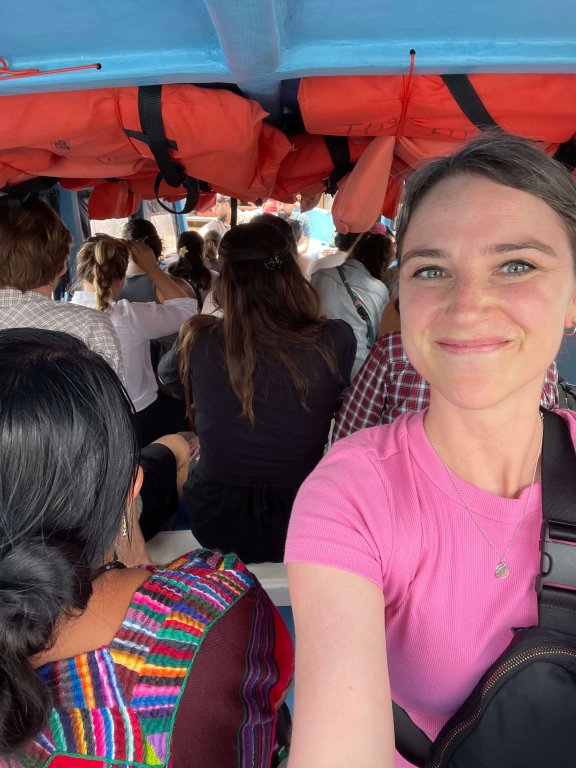
Pro Tip: Cash is king in smaller towns, however not all of them have ATMs. Stock up in San Pedro and Panajachel.
Different Towns in Lake Atitlán
Each town, or pueblo, in Lake Atitlán has a very different vibe than the next. Choosing where to stay will depend on your budget, your travel or vacation style, and the length of your trip. I loved staying in San Pedro and would stay there again, especially for the access to the language schools. That being said, I’d likely stay in other towns as well the next time I visit Lake Atitlán so that I have a better understanding of them.
San Pedro La Laguna
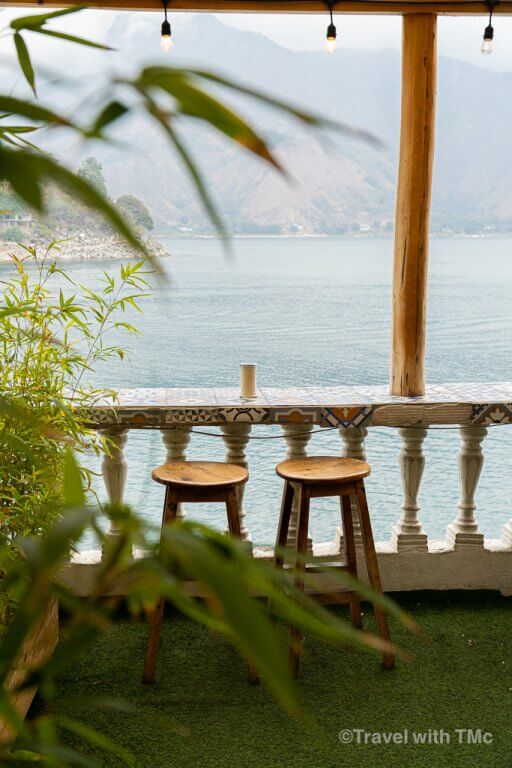
San Pedro La Laguna, which is where I booked my language school homestay with San Pedro Spanish School, is a hub for travellers. Foreigners mostly congregate in the central part of town where you’ll find the cafes, hostels, and language schools.
I like to explore out of the tourist centres and ventured out by foot, with no set plan or map for guidance. It was terrific “getting lost” in various markets, side streets, and community spaces. Everyone I interacted with was more than helpful, answering my questions about murals, food, or special events happening in town. Some graciously allowed me to take their portrait. Others approached me just to chat! I have treasured memories of San Pedro La Laguna and look forward to returning there again someday. Keep in mind that outside of the lake’s touristy areas Spanish isn’t widely spoken. Get those miming skills ready!
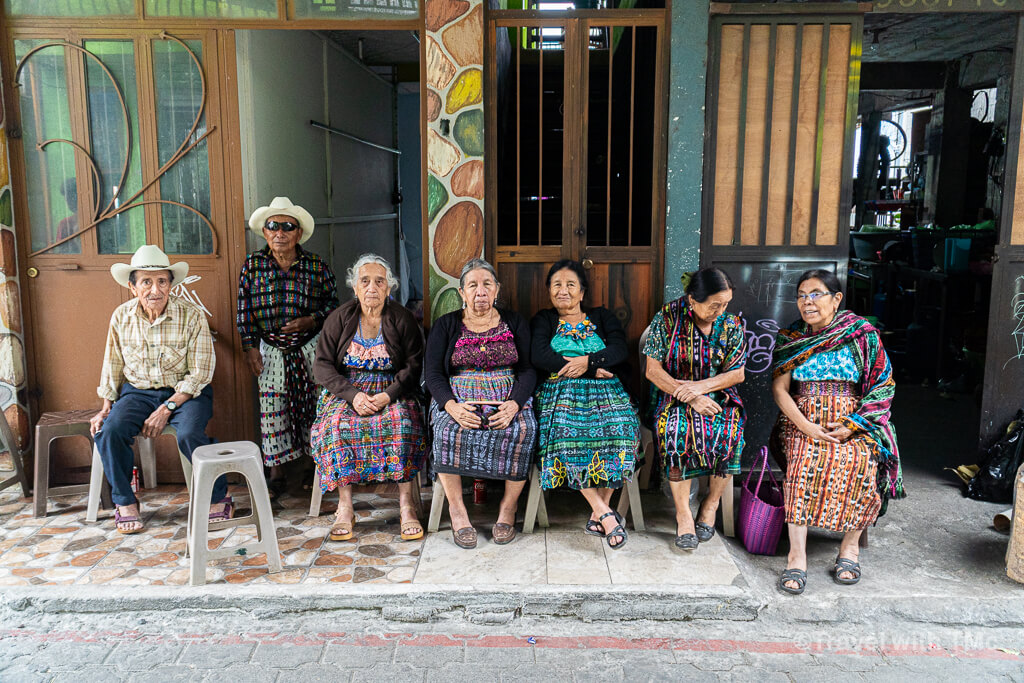
If you’re looking to party in Lake Atitlán, head to San Pedro La Laguna. I went out one night to Bar Sublime to check out the scene. Instead of dancing, I kept things pretty tame and ended up sipping a drink on the dock beneath the full moon while chatting with other travellers. There is one notorious party hostel, Mr. Mullet’s. From what the other language school students said, other hostels in San Pedro La Laguna are more chill.
Put these cafés, restaurants, and bars on your list:
- Sababa Bakery for excellent pastries, a good place for studying with decent wifi, and beautiful lake views
- Pita Sabiij for a delicious fresh air meal
- Cafe Panorama for fantastic views
- Tornado’s Coffee for friendly staff, a cozy workspot (wifi isn’t fabulous though), and women’s sports on the TV!
- El Barrio for that sports bar feel
- Bar Sublime for a night out
- *Most importantly, don’t miss out on the local markets. Follow your nose out of the city centre. The hot tortillas and fresh produce will be well worth the walk!
San Juan La Laguna
Lake Atitlán has changed immensely over the last century. For example, in 1935 San Juan La Laguna was home to 46 families. Today there are around 13,000 residents.
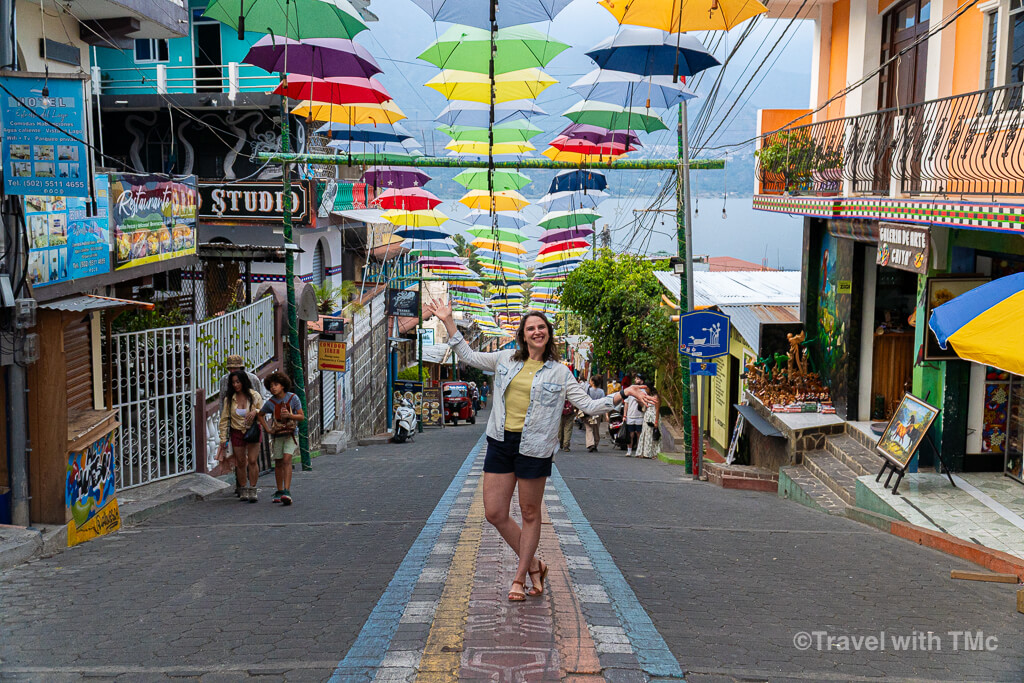
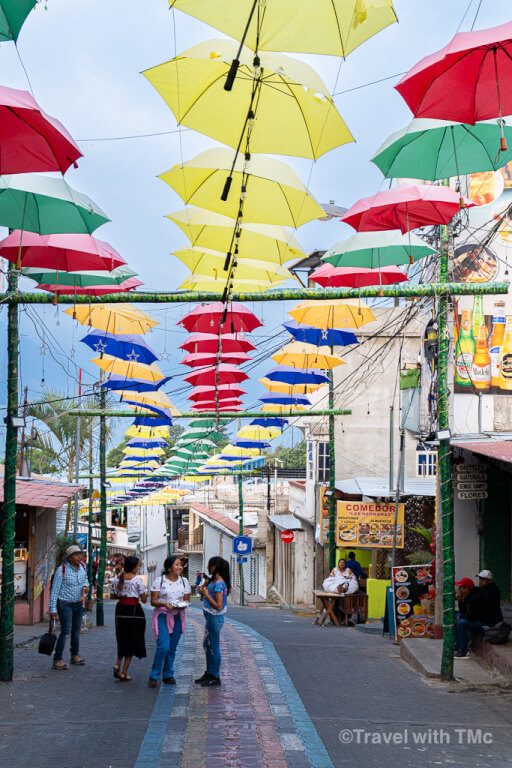
San Juan La Laguna is the most colourful and vibrant pueblo on Lake Atitlán. I’d heard about its claim to fame prior to visiting and was still blown out of the water by all of the stunning public art.
Located on the western shore of the lake, tourists flock here to set off on the Rostro Maya (Indian Nose) sunrise hike, to marvel at the murals, and to stay in a slower-paced pueblo than the other backpacking hubs. More unique hands-on experiences to try include honey- and Mayan textile-making workshops.
San Marcos La Laguna
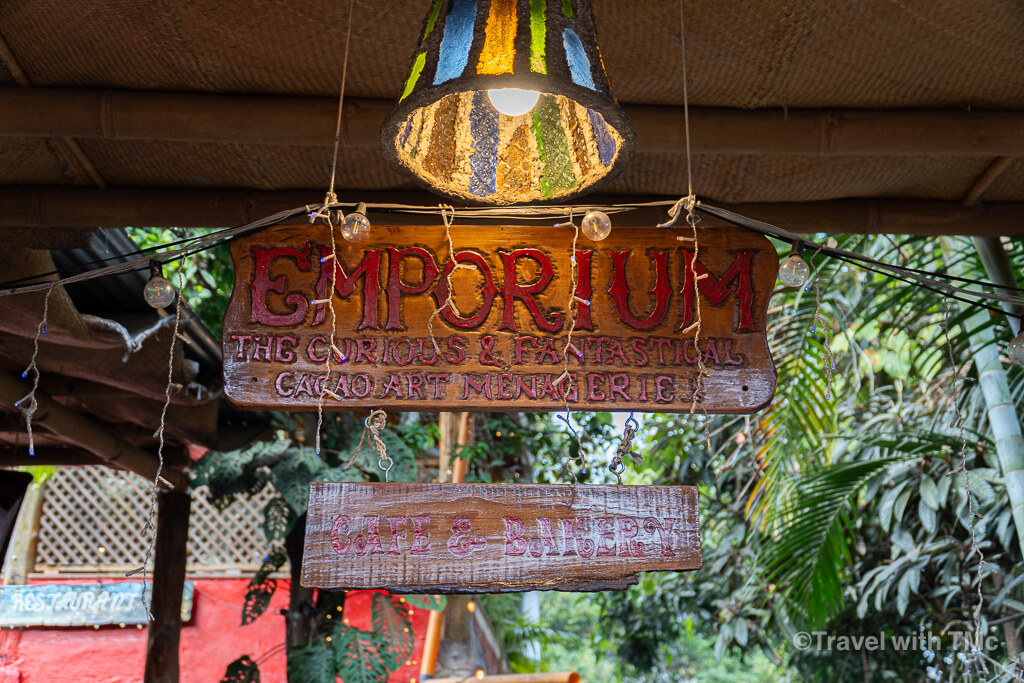
San Marcos immediately reminded me of Bali about 10 years ago – very hippy vibe, very free flowing, very gringo-drinking-green-juice-in-bare-feet. This is where travellers go to stay at eco lodges, zen out at yoga retreats, and spike their adrenaline levels with cliff diving.
We had a very short time here during our day trip bouncing from village to village. The people watching was entertaining and the pastries at Circles Cafe Bakery, fabulous.
Panajachel
Panajachel is the tourist hotspot of Lake Atitlán, found on the north shore. It’s larger than the other villages and is a transportation hub connecting to farther out Guatemalan cities like Antigua. Stock up on cash or other necessities found here before heading to the smaller villages.
We barely spent any time here as we were transiting onward to our next destination. I had a quiet meal by the dock, but my favourite part of being in Panajachel was taking in the chaotic streets.
Some activities you might want to consider as you’re passing through or staying a few days in Panajachel include:
- Reserva Natural Atitlán – spot wildlife (coatis, monkeys, butterflies…..), spike your adrenaline with zip lines and suspension bridges, and feel a sense of calm in this private nature reserve
- Paragliding – launching above Pana,
- Chichicastenango Market – Guatemala’s largest market
Other Villages in Lake Atitlán
- Santa Clara (inland, north of San Pablo)
- Santa Cruz (halfway between San Marcos and Panajachel)
- San Antonio Palopó (eastern shore, known for its pottery)
- Santa Catarina Palopo (the “blue town”)
- San Lucas Tolimán (eastern shore)
- Jaibailito (secluded village)
- Tzununa (permaculture hub)
What Kinds of Accommodation to Book in Lake Atitlán
For different types of affordable accommodation, there’s Airbnb and VRBO for vacation home rentals or Hotels.com for discounted hotel stays. Hostelworld is my go-to website to research and compare hostel options.

If you’re looking for unique stays, check out the adult-only Aviva Hotel, or La Iguana Perdida which has a steam room, outdoor fireplace, and yoga classes, the A-frame and boat-accesible La Fortuna eco-bungalow, or the kid-friendly Reserva Natural Atitlan.
Book These Activities in Lake Atitlán
There are a ton of different activities to enjoy in Lake Atitlán – from perusing art galleries or taking in the plethora of public art, to attending a language school or textile making workshops, to hiking volcanoes, and more.
Spanish Schools
- San Pedro Spanish School *I went here and really enjoyed it!
- Lake Atitlán Spanish School
- Orbita Spanish School
- Community Spanish School
Culture
- Lake Atitlán Cultural Tour Exploring Mayan Villages
- Atitlán Woman Weavers (textile workshop)
- Mayan Art Walking Tour + Chocolate and Honey Tastings
Outdoor Activities
- V-Hiking Tours (family-run, Acatenango hike, we planned to go with them but the volcano was closed)
- 2-Day Acatenango Volcano Hike
- Rostro Maya (Indian Nose) Sunrise Hike
- From Panajachel: Sail and Discover Three Villages on Lake Atitlán
- Sunset ATV Tour of Lake Atitlán
- Swim at Tzankujil Nature Reserve + Visit 2 Villages
Food & Drink
- Xunah Kaab’ (honey & beekeeping)
- Street Food Tour
- Atitlán Cooking Classes
- Chichicastenango Market
Final Thoughts on Planning Your First Trip to Lake Atitlán
As with any trip, my main advice to you is just to go – book the trip. Read blogs like this (thank you for not using AI!), watch YouTube videos, read books, and talk to people who have been there. But don’t overplan. Do just enough research that creates excitement and gives you some understanding of the people and place you will visit. Leave room for magic and spontaneity – it’s always the unplanned experiences that are the most memorable.
If you have any questions, please don’t hesitate to reach out. I love hearing from you and providing additional advice where possible. My email is Connect@TravelwithTMc.com or you can reach me on Instagram at @TravelwithTMc.
Guatemala Travel Guide BONUS Downloadable Map
Want to make your trip planning even simpler? Check out this bonus Guatemala Travel Guide downloadable map!
Sneak Peek of Your First Trip to Guatemala
Curious to preview your itinerary? Have a sneak peek here! Still have questions about planning your first trip to Guatemala? Send me a DM on Instagram or through my website contact page and I’ll be happy to help where possible.
Subscribe and Stay in the Loop!
Stay tuned to all things vanlife, international travel, and learning how to pay yourself to travel like I do by subscribing to the (nearly) monthly newsletter and joining the adventure on Instagram. Thanks for reading!
Helpful Tips for Booking Your Trips
Flights
If you want affordable flights, you must get into the points and miles game. Check out my Points and Miles Travel Coaching services to help Canadians fly for less than a tank of gas!
Car Rentals
To help you explore new destinations, turn to Discover Cars for a huge range of vehicle options and excellent prices.
Accommodation
There are so many options for affordable, comfortable, and unique accommodation. Some of my favourite accommodation options are housesitting and hostels. I’ve been using Trusted Housesitters and Hostelworld for years. If you prefer hotels, then check out Booking.com.
Activities
Get Your Guide is a fantastic resource for different activities to try when travelling. They have everything from walking tours, food tours, tickets to attractions, and multi-day trips, and more. Check out this super cool view I had of Helsinki when I was in Finland for the Christmas markets. My favourite GYG tour so far was the fantastic walking food tour I did in Dublin. That experience had a wild twist, but you’ll have to read this blog post to find out why!


